

WHY ILAM IS MORE THAN TEA
Ilam is often introduced with one word: tea.
It is an understandable introduction. The hills are covered with tea gardens, the climate is cool, and the landscape has become closely associated with Nepal’s tea-growing identity. But spend a little more time here and another Ilam begins to appear.
It is found in the roads between places, in small markets, in farmhouses, in roadside tea stalls and in the changing landscape as the road climbs and descends through the hills.
The tea gardens are only the beginning.
A LANDSCAPE MADE FOR SLOW TRAVEL
The first thing you notice about Ilam is its green.
Tea gardens run across slopes in carefully maintained rows. Beyond them are forests, farmland, villages and distant ridgelines. The landscape changes constantly as you travel.
This is not a place that needs to be rushed.
A short drive can become an afternoon because there is a viewpoint worth stopping for, a small shop selling something interesting, or a road that disappears around a hillside and reveals another valley.
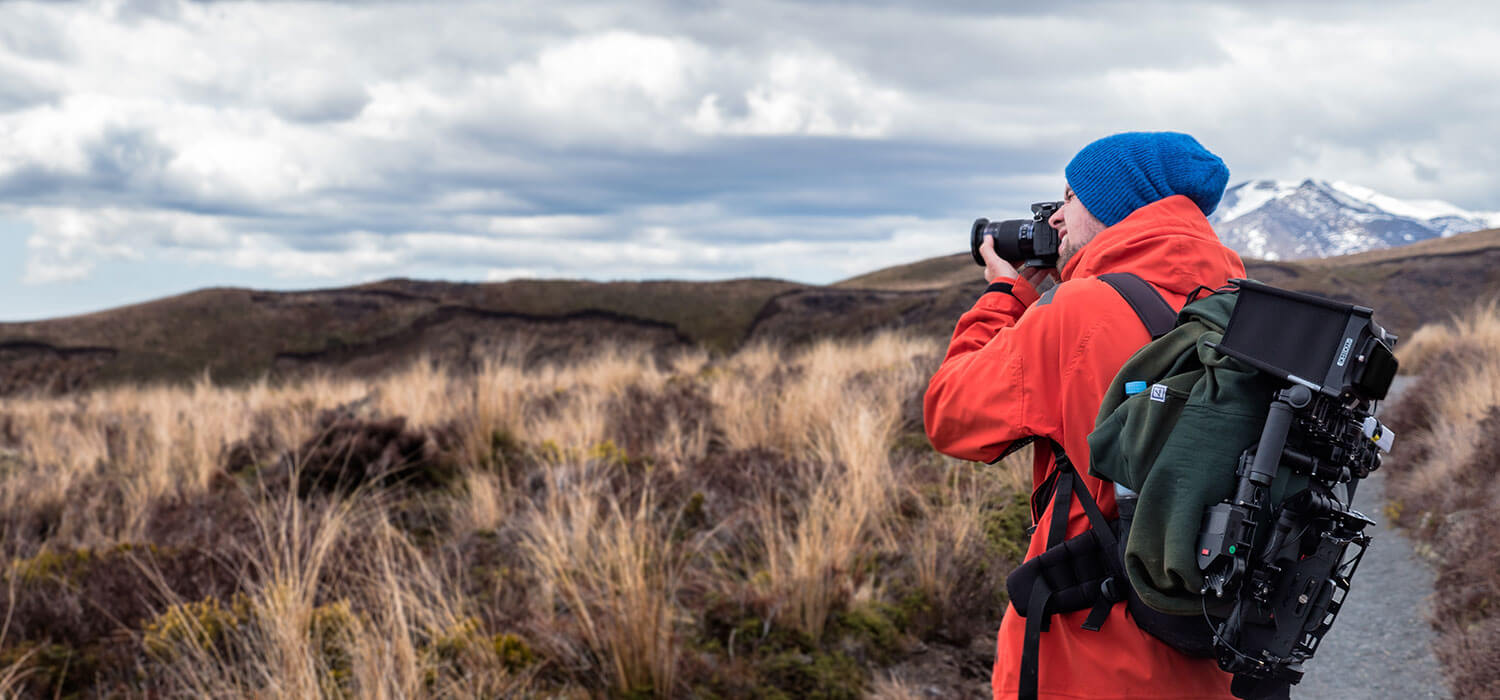
For travellers who enjoy photography, walking and simply observing a place, this slower rhythm is part of the experience.
FOLLOW THE TEA ROAD
The journey through Ilam’s tea country can begin around Ilam Bazaar and continue toward places such as Kanyam and Fikkal.
Kanyam is perhaps the most recognisable expression of Ilam’s tea landscape. Its gardens create an open, rolling panorama that invites you to walk, photograph and take your time.
Further along, Fikkal brings a different energy.
It is a busy hill junction where local commerce, agriculture and travelling routes come together. Here, Ilam feels less like a postcard and more like a living place.
That contrast is important.
A good journey is not only about beautiful viewpoints. It is also about seeing how people live and move through the landscape.
FOOD IS PART OF THE JOURNEY
Ilam’s identity is also connected to agriculture.
Tea is important, but the surrounding hills produce and support much more: ginger, cardamom, potatoes, chillies and other crops.
Food therefore becomes another way of understanding the region.
Instead of treating meals as stops between attractions, pay attention to what appears on the table. Local ingredients, simple preparations and small roadside places can tell you something about the landscape you have just travelled through.
Sometimes the most memorable part of a day is not a famous attraction. It is a meal eaten somewhere along the road.
BEYOND THE MAIN ROAD
One of the pleasures of travelling through Ilam is allowing yourself to look beyond the obvious route.
A small road may lead toward a village. A walking trail may open into a tea garden. A hilltop may offer a completely different view in the early morning than it does later in the day.
Places such as Mai Pokhari and Shree Antu offer another perspective on the region, with landscapes and experiences that extend beyond tea cultivation.
This is where Ilam becomes more interesting.
It is not one attraction. It is a collection of landscapes, communities, agricultural traditions and journeys connected by mountain roads.
TAKE YOUR TIME
Ilam works particularly well for travellers who don’t want every hour planned.
Stay a little longer.
Walk instead of immediately getting back into the vehicle. Stop for tea. Talk to people when the opportunity naturally appears. Photograph the landscape, but also photograph the details: a market, an old building, a roadside sign, a farmer working in the garden.
Travel becomes richer when you stop treating a destination as a checklist.
Ilam is tea country, certainly.
But it is also food, farming, roads, forests, markets, people, weather and quiet mornings.
The best way to discover it may simply be to slow down.
DRISHYA FIELD NOTES
Tea country. Mountain roads. Local stories.

Leave a Reply