
CROSSING THE HILLS: ILAM TO DARJEELING
Some journeys are defined by the destination.
Others are defined by the road.
The journey from Ilam toward Pashupatinagar and onward to Darjeeling belongs to the second kind.
It is a journey through tea country, hill towns and a borderland landscape where geography, culture, trade and everyday life overlap.
The distance may look simple on a map.
The experience is not.
LEAVING ILAM
Start in Ilam’s green hills.
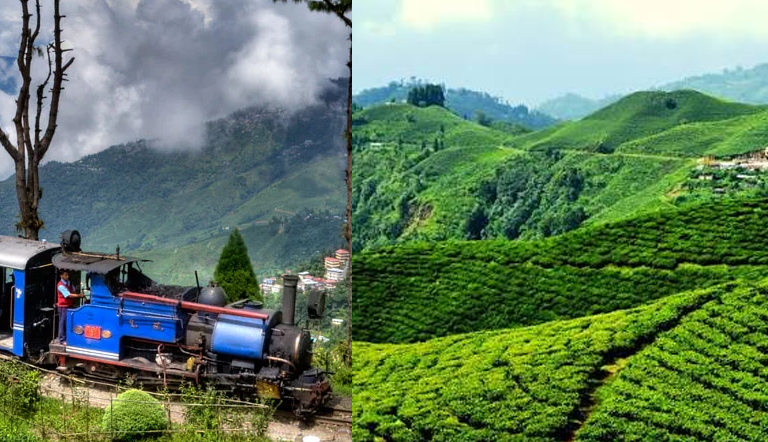
The landscape is agricultural and mountainous, with tea gardens, forests, farms and villages appearing along the roads.
As you move eastward, the character of the journey gradually changes.
Kanyam brings broad tea landscapes.
Fikkal brings the energy of a busy hill junction.
Then the road continues toward Pashupatinagar.
Each place is different, but they are connected by the same mountain environment.
That is what makes the journey interesting.
FIKKAL: WHERE ROUTES MEET
Fikkal is not simply a place to pass through.
It is a practical centre for the surrounding hills and an important junction for travellers heading toward Pashupatinagar.
Stop here.
Walk through the market. Have something to eat. Observe the movement of people and goods.
This is the kind of place that rarely appears in glossy travel photographs, but it often tells you more about a region than a famous viewpoint does.
PASHUPATINAGAR AND THE BORDERLAND
As the road approaches Pashupatinagar, the journey takes on another character.
Border towns have their own rhythm.
They are places of movement: travellers, traders, local residents and vehicles crossing between connected regions.
The landscape does not suddenly become different because a line on a map has been crossed.
The hills continue.
The tea country continues.
But the experience of the journey changes.
This is what makes borderland travel fascinating. Geography may separate places administratively while roads, trade, food and culture continue to connect them.
INTO DARJEELING
Beyond the border, the road continues toward Darjeeling.
The atmosphere becomes increasingly associated with the distinctive hill-town character of Darjeeling: tea estates, mountain views, heritage architecture, winding streets and the presence of the Himalayas.
Darjeeling has long been associated with its tea and its views toward the high mountains.
But again, the best way to experience it is not simply to collect viewpoints.
Walk its streets.
Find a small place for breakfast.
Look at the old buildings.
Watch the town wake up.
Notice how quickly the weather changes.
Let yourself get slightly lost before checking the map again.
TWO SIDES OF ONE HILL JOURNEY
Ilam and Darjeeling are not identical destinations.
They have different histories, identities and experiences.
But travelling between them reveals connections that are easy to miss when visiting either place separately.
Tea is one obvious connection.
The hills are another.
So are food, agriculture, mountain roads and the everyday culture of the Eastern Himalayas.
The journey gives context to the destination.
DON’T RUSH THE ROAD
A conventional itinerary might treat the journey as transportation between two points.
We see it differently.
The road is part of the trip.
Stop when the landscape changes.
Eat where locals eat.
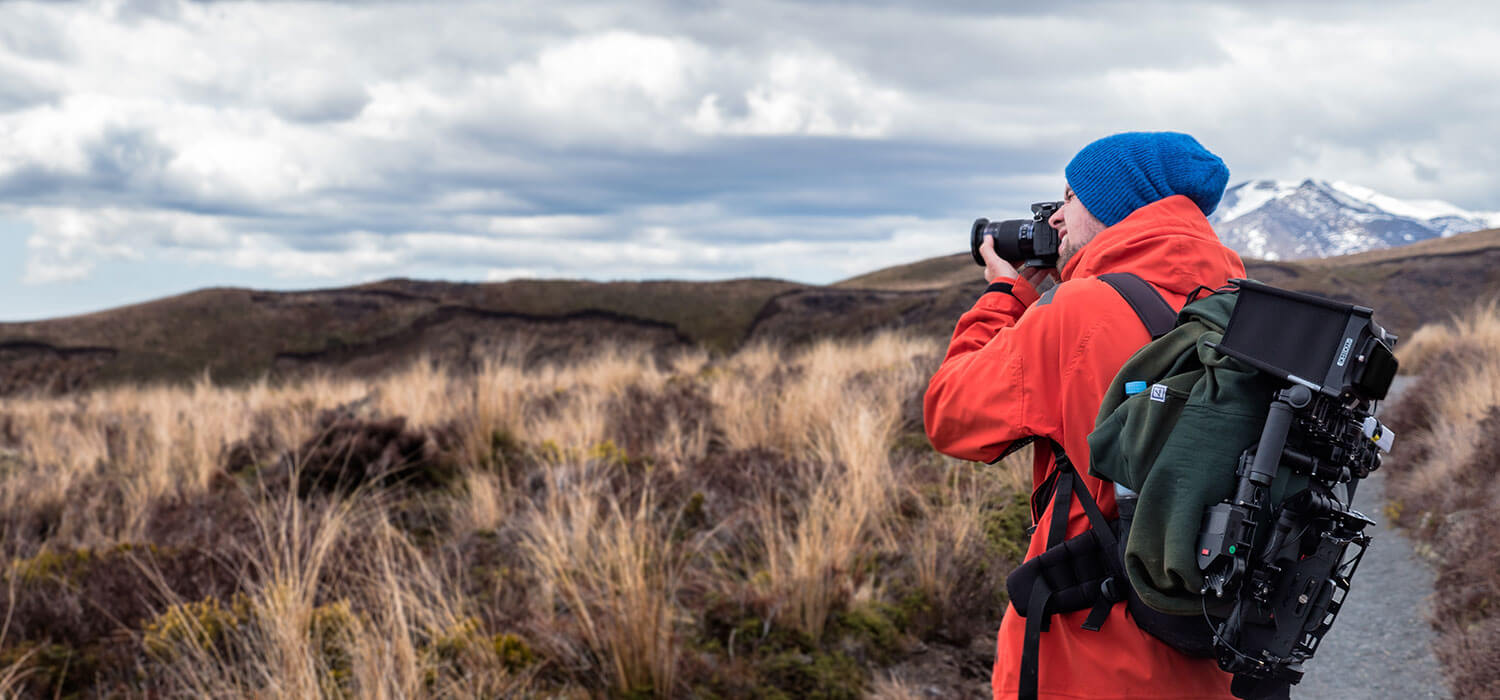
Photograph the details.
Talk to people when the moment allows.
Leave enough time that you don’t have to measure the journey only in kilometres.
Because the most interesting parts of travelling through the Eastern Himalayas are often the things that were never included in the original plan.
Ilam to Darjeeling is not simply a route from Nepal to India.
It is a journey through tea country, mountain roads and a living borderland.
And sometimes, the road between two destinations is the destination itself.
DRISHYA FIELD NOTES
Across the hills. Through tea country. Beyond the obvious route.

Leave a Reply